
The psychology behind your gambling choices
The allure of risk-taking
Gambling taps into the fundamental human attraction to risk and uncertainty. This allure is deeply rooted in psychology, where the thrill of potentially winning large sums of money ignites a rush of excitement. The brain releases dopamine, a neurotransmitter associated with pleasure and reward, which reinforces these behaviors. For many, the chance of hitting a jackpot creates a powerful motivation that can overshadow the risks involved, especially when considering the popularity of online pokies among players.

This thrill-seeking behavior is often magnified in a social context, particularly among celebrity gamblers. Public figures who are known for their lavish lifestyles can create a perception that gambling is not only a form of entertainment but also a pathway to wealth and success. This glamorization can lead many individuals to make gambling choices based on the perceived excitement rather than a rational evaluation of the odds.
The influence of emotions
Emotions play a significant role in gambling decisions. When individuals gamble, they often do so in response to emotional states such as stress, boredom, or even euphoria. These emotions can cloud judgment and lead to impulsive choices, resulting in behaviors that deviate from logical decision-making. For example, someone who is feeling down may turn to gambling as a form of escapism, hoping to change their fortune and mood in an instant.
Moreover, high-stakes gambling can create an emotional rollercoaster. The highs of winning and the lows of losing can lead individuals to chase losses, further entrenching them in a cycle of poor choices. The emotional highs associated with wins can be addictive, prompting players to continue gambling in search of that next rush, making it difficult to step away even when it might be wise to do so.
The role of cognitive biases
Cognitive biases can significantly influence gambling choices, often leading players to misinterpret probabilities and outcomes. The illusion of control is one common bias, where individuals believe they can influence the outcome of games that are fundamentally random, such as slots or roulette. This belief can lead to overconfidence and riskier betting behaviors.
Another prevalent bias is the gambler’s fallacy, where players mistakenly think that past results influence future outcomes. For example, if a specific number has not come up in a roulette game for a while, a gambler might bet on it, believing it is «due» to win. Such misconceptions can distort a player’s understanding of odds and probabilities, leading to irrational and often costly decisions.
The impact of social and environmental factors
The social environment in which a person gambles can heavily influence their choices. Peer pressure can make individuals more likely to gamble in group settings, where the excitement and energy can overshadow logical thinking. This is particularly notable among celebrity gamblers, whose visible lifestyles and choices can inspire fans to emulate their behaviors, leading to increased gambling participation.
Additionally, advertising and marketing strategies in the gambling industry play a significant role in shaping perceptions. Promotions that highlight the potential for massive winnings often overshadow the inherent risks. When celebrities endorse gambling, they lend an air of legitimacy and allure, which can further entice individuals to engage in gambling without fully considering the psychological and financial implications.
Exploring online gaming experiences
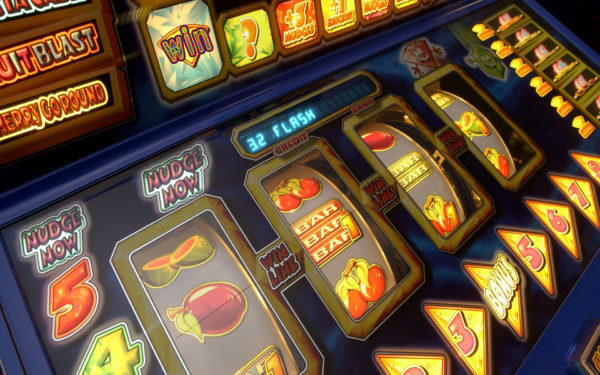
Platforms like Online Pokies NZ offer a unique space for gamblers, providing an array of games designed to engage players. With the convenience of online access, users can explore various gaming options while enjoying tailored experiences. This accessibility can amplify the thrill and potential psychological factors that influence gambling choices.
Furthermore, such online platforms prioritize player safety and responsible gaming, recognizing the importance of mental health in the gambling experience. By promoting awareness and providing resources for responsible gambling, these sites aim to create a balanced environment where entertainment does not come at the cost of well-being, allowing players to enjoy their gaming while being mindful of their choices.